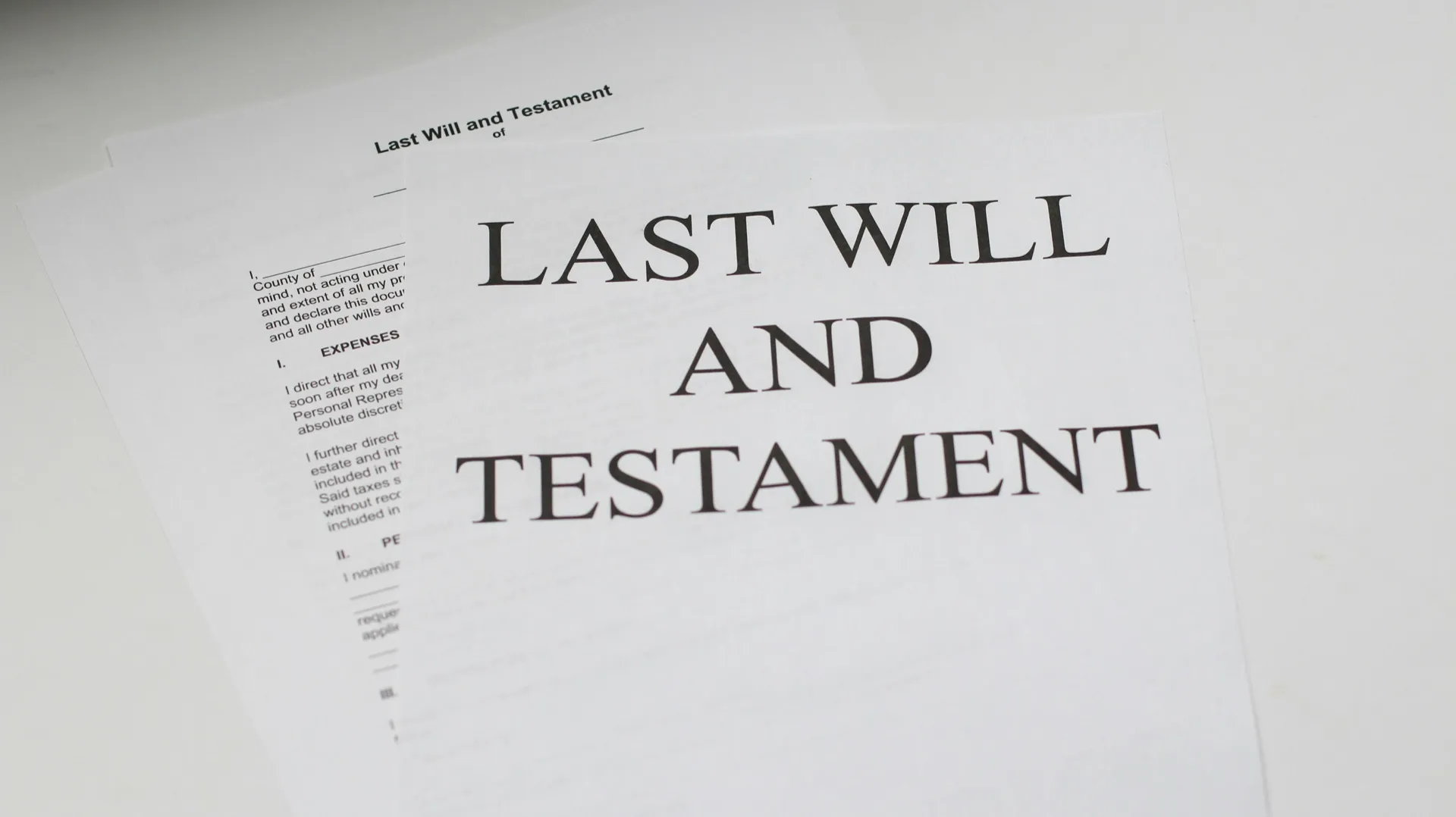
Wills & Estates

Book a Consultation

A well-prepared estate plan gives you peace of mind and protects the people who matter most. At ABOH LEGAL, we help individuals and families across northeastern Alberta create wills, powers of attorney, and personal directives that reflect their wishes and comply with Alberta law.

What We Handle

Wills
Enduring powers of attorney
Personal directives
Estate planning
Beneficiary designations

Our Approach

Estate planning does not have to be complicated. We take a practical, step-by-step approach, starting with a conversation about your family, your assets, and your wishes. We then prepare documents that are clear, legally sound, and tailored to your situation.

Alberta's Wills and Succession Act sets out specific requirements for valid wills and other estate documents. We ensure your documents meet these requirements and are structured to minimize the risk of future disputes or confusion.

Whether you are creating your first will or updating an existing estate plan after a major life change, we make the process straightforward and accessible.

Common Questions

Yes. If you die without a will in Alberta, the Wills and Succession Act dictates how your estate is distributed, and the result may not match your wishes. A properly drafted will lets you choose your beneficiaries, name a guardian for minor children, and appoint a personal representative you trust to manage your estate.

An enduring power of attorney is a legal document that allows someone you trust to manage your financial and legal affairs if you become unable to do so yourself. Unlike a regular power of attorney, it continues, or "endures," even after you lose mental capacity. It must be prepared while you still have the capacity to understand its effect.

A personal directive is an Alberta legal document that lets you appoint someone to make personal, non-financial decisions on your behalf if you lose capacity. This includes decisions about your health care, living arrangements, and personal matters. It is separate from a power of attorney, which covers financial decisions.

You should review your will every three to five years or whenever a major life event occurs, such as marriage, divorce, the birth of a child, a significant change in assets, or the death of a named beneficiary or executor. In Alberta, marriage does not automatically revoke a will, but divorce does revoke gifts to a former spouse.

Let's Talk About Your Situation

Ready to protect your family's future? Let's get your estate plan in order.

Book a Consultation